Sling
EAA 338 member Fan Zhang's plane build project
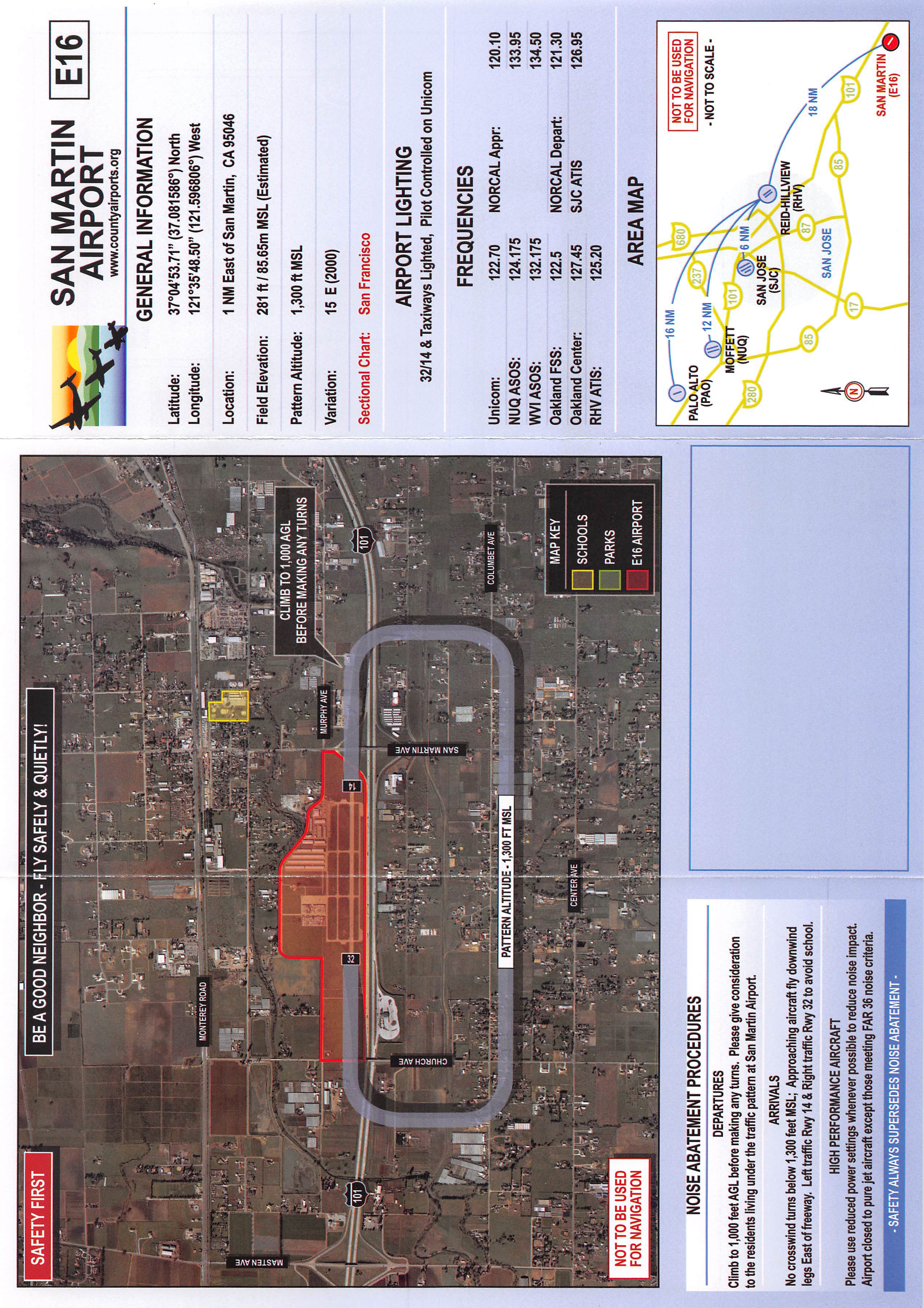
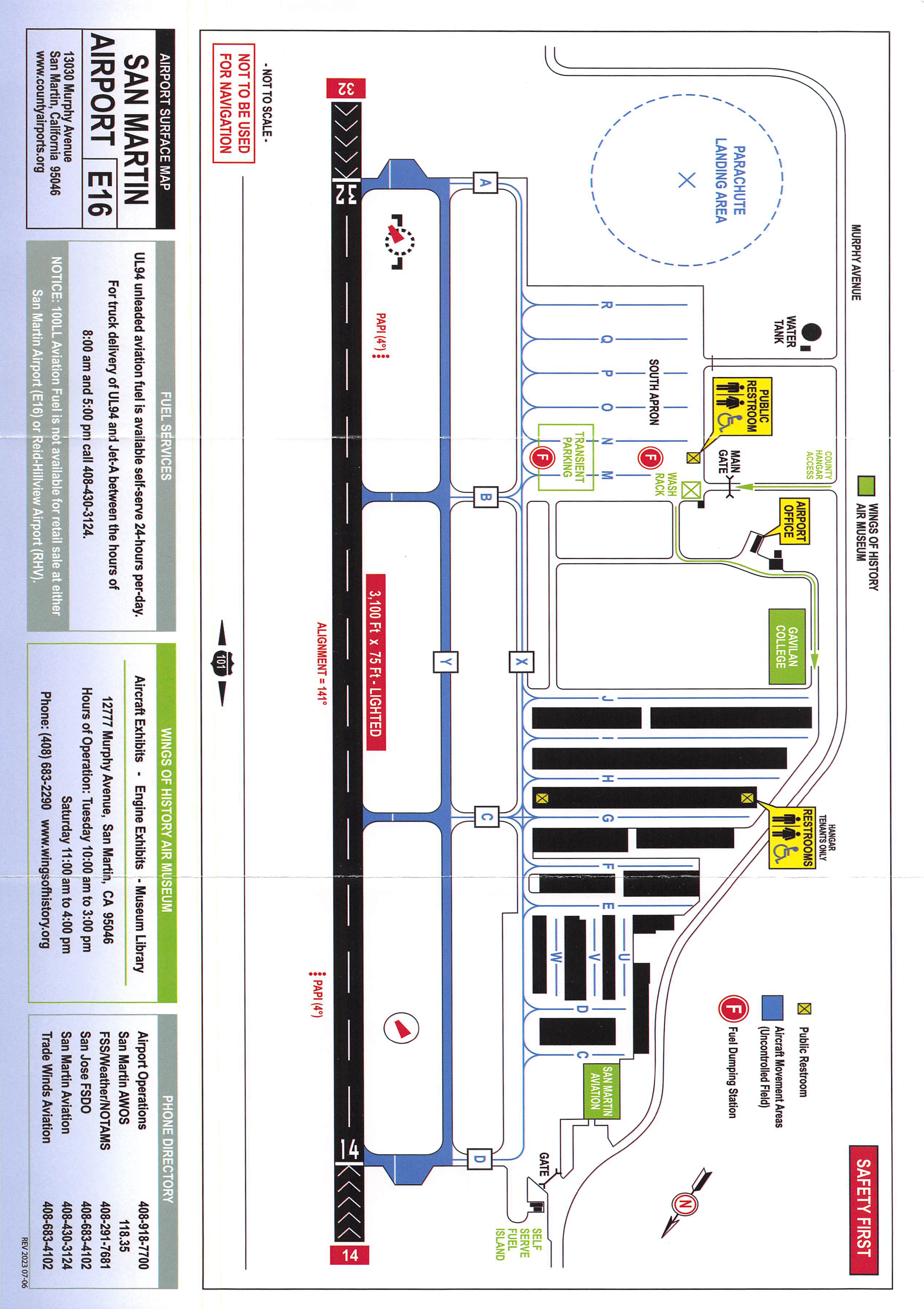
Project Location: San Martin Airport Hanger I-26
When driving inside the gates, be very careful to avoid crossing the line and getting onto the taxiways, huge fines will result!
|
|
Handbooks and Information
 About the Manufacturer - Wikipedia
|
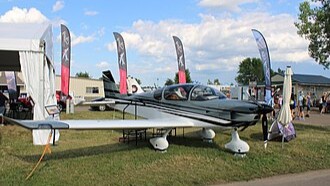 About the Plane Model - Wikipedia
|
 Manufacturer's Website
|
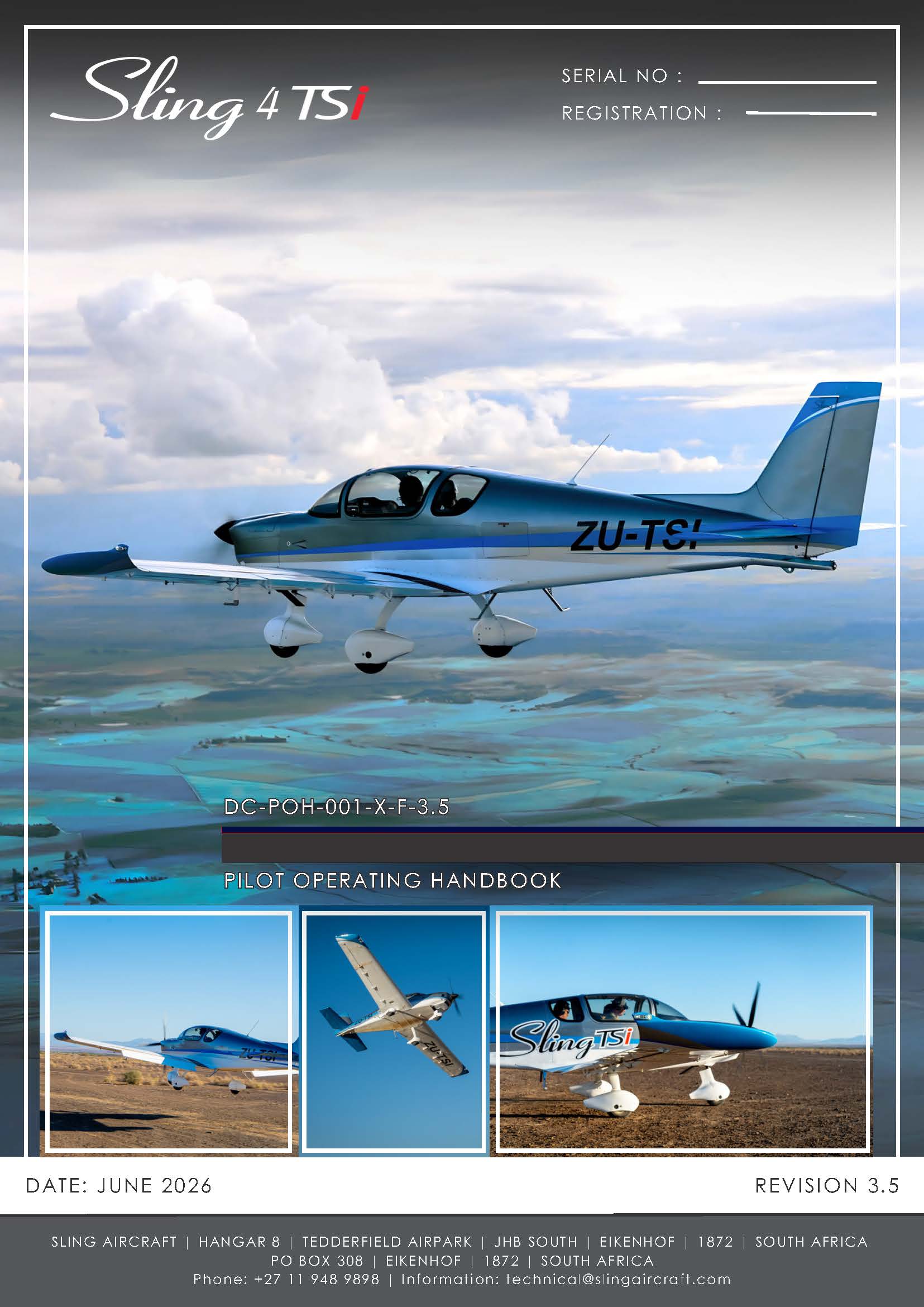 Pilot Handbook - PDF
|
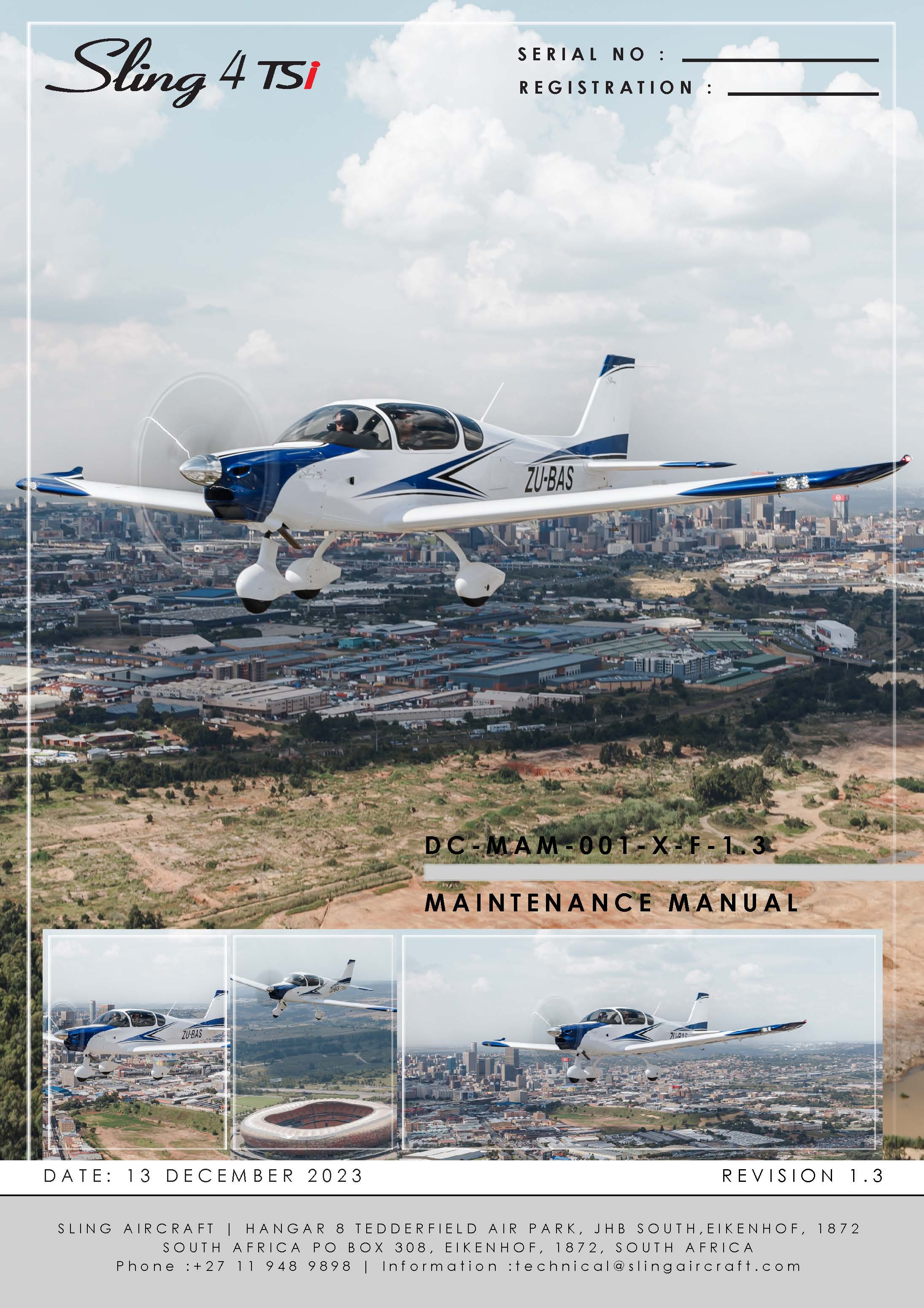 Maintenance Manual - PDF
|
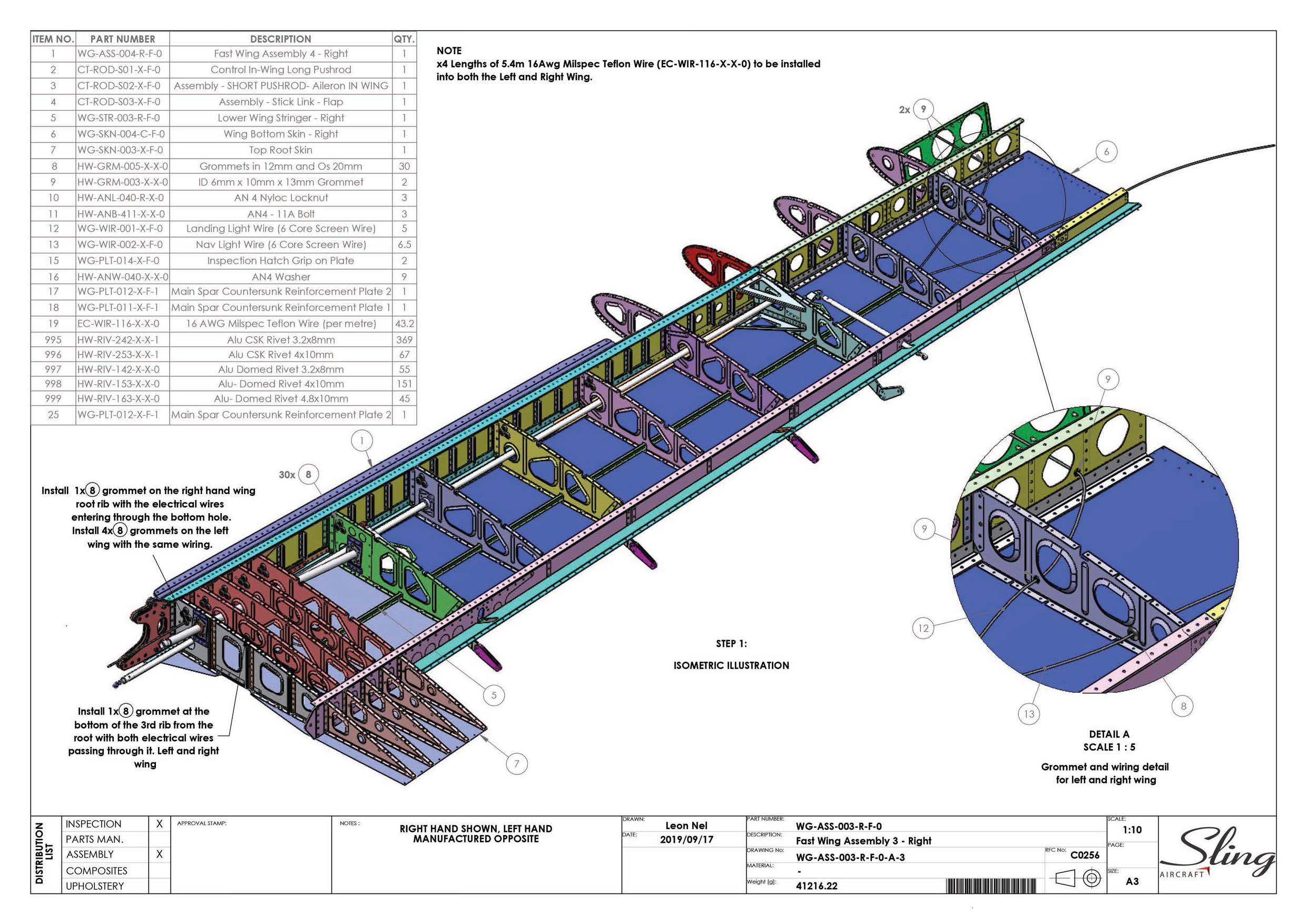 Sample Instructions for Kit Builders - PDF
|
|
These are the actual instructions we will be working from |
We will do wing rivet first, aileron next, seat rail last |
The entire airplane is built with aviation grade blind "pop" rivets (instead of solid rivets) which are then filled with epoxy |
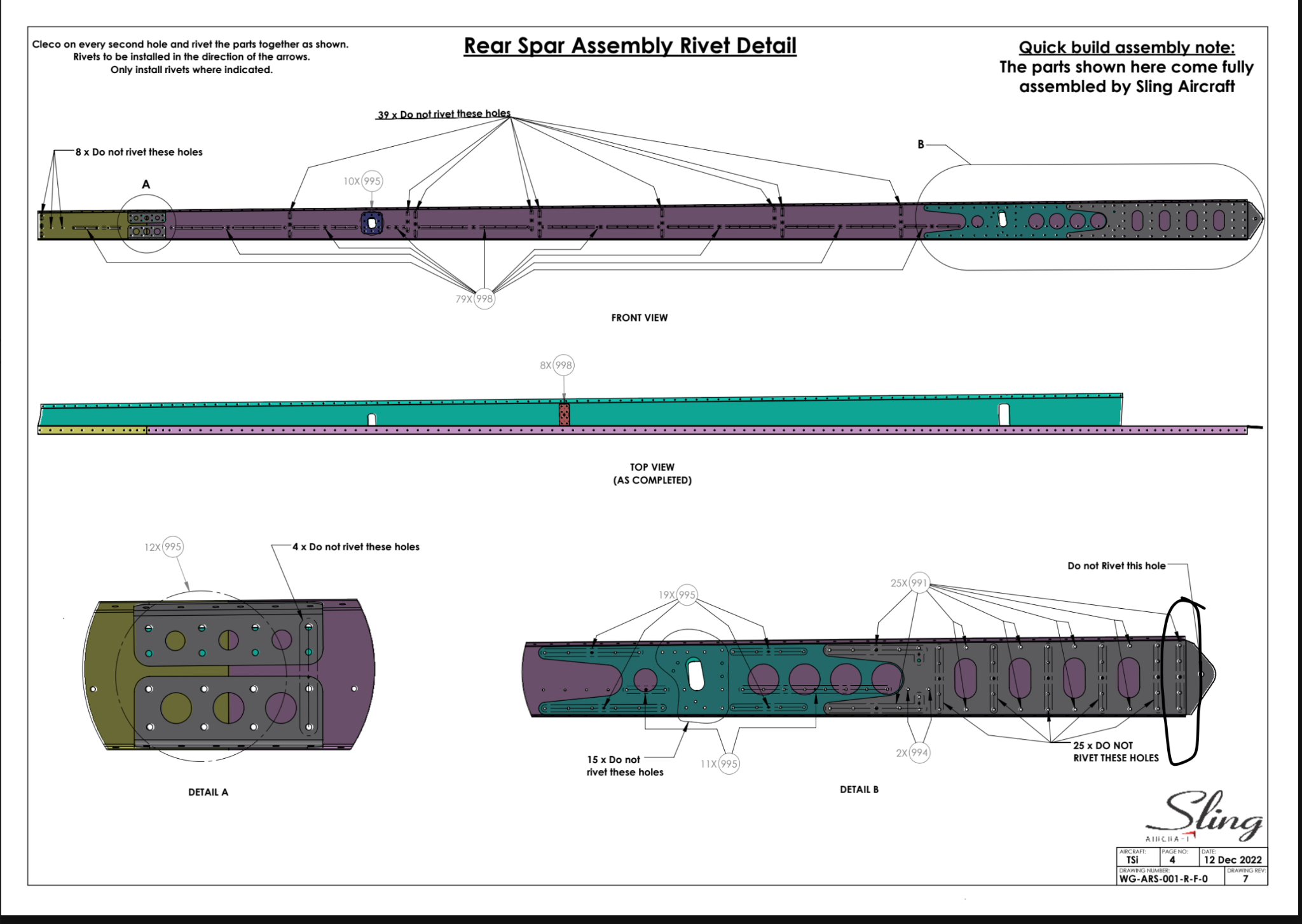 Rear Spar Assembly Rivet Details
|
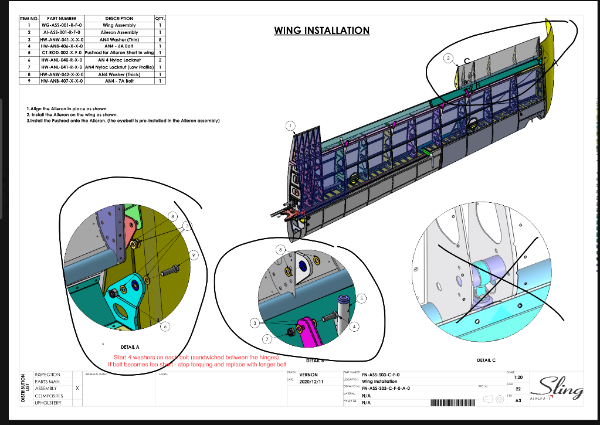 Wing Installation
|
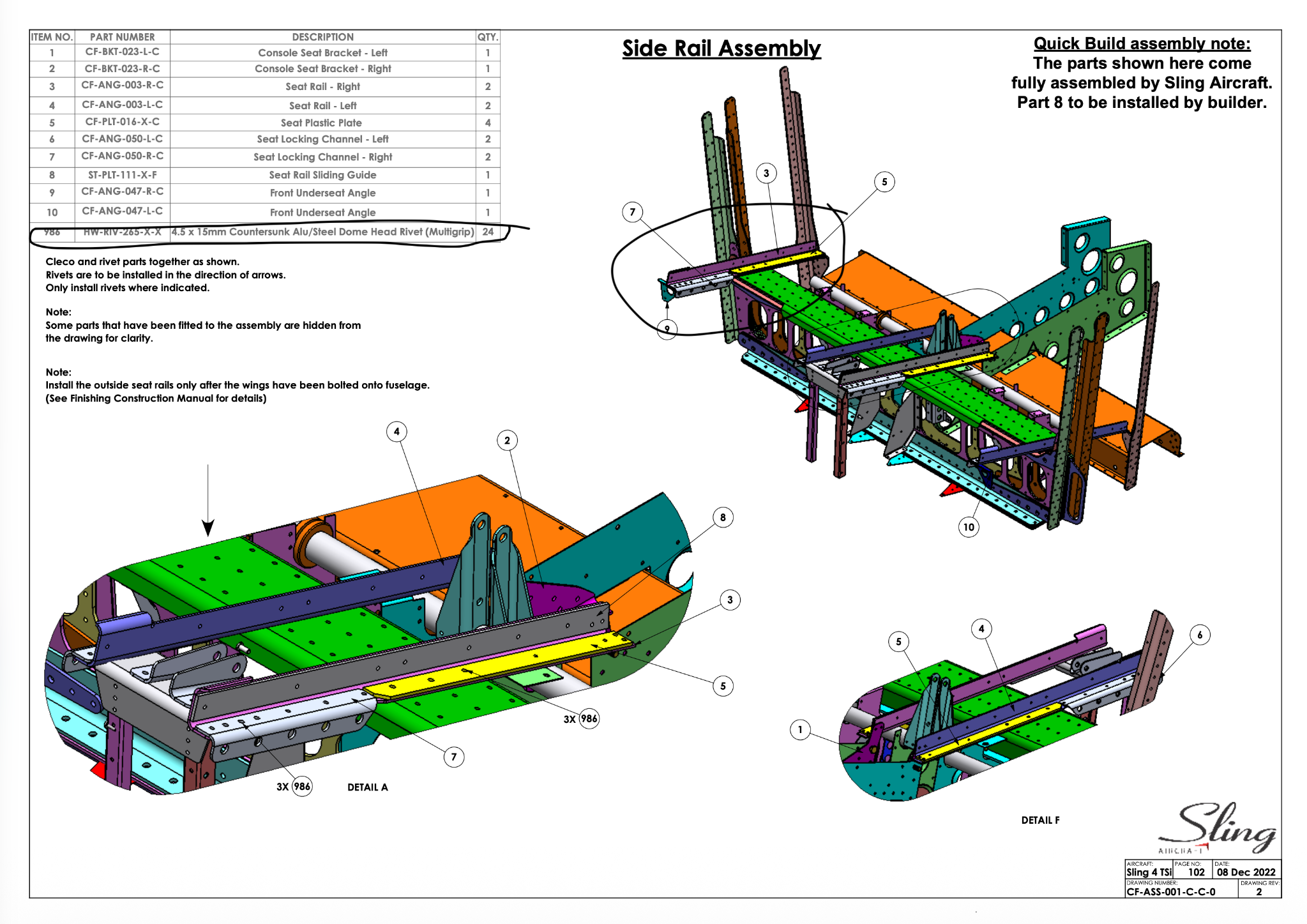 Slide Rail Assembly
|
Making Questions
One can learn better by recording your questions as you go through a document or drawing. Anything that is confusing or does not make sense based on what you have already learned/experienced should be brought up if you want to advance. It is always a good idea to include context in your question so those who could potentially help you get answers can understand where you are coming from.
In the spirit of showing more than telling, Advisor Edwin has come up with the following example questions he has:
Our Explorers should skim read the docs and make some questions of their own.
- Wikipedia says that the plane design has a "revised wing spar design". What does that actually mean.
- The Pilot Handbook page 13 states "Notwithstanding that the aircraft design is based upon the FAA FAR 23 certification standards, the aircraft has not been proven to comply with all the provisions of the standard." Why would someone fly a design that is not fully compliant.
- The Pilot Handbook page 35 states "The Sling 4 TSi is approved for normal manoeuvres" Who decides what is normal and non-normal?
- The Pilot Handbook page 40 states "Flying through rain should be avoided, but can be achieved with no additional steps. Airplane qualities and performance are not substantially changed." sounds rather contradictory. How would a knowledgeable pilot interpret those statements?
- The Pilot Handbook page 54 discusses engine fires. What are the typical causes of such fires? Does not proper maintenance such as keeping the surface of the engine free of accumulated leaked oil remove that risk?
- The Pilot Handbook mentions ignition lanes A and B. What is the failure mechanism that still requires redundancy in such systems but not in other less mature systems such as the EFIS (Electronic Flight Information System)
- This airplane is billed as a high performance advanced design, yet is still uses magneto ignition instead of electronic engine control (EEC) or Full Authority Digital Engine Control (FADEC). Why is this so? But yet on page 110 it claims to have a FADEC but no mention anywhere else in the manual.
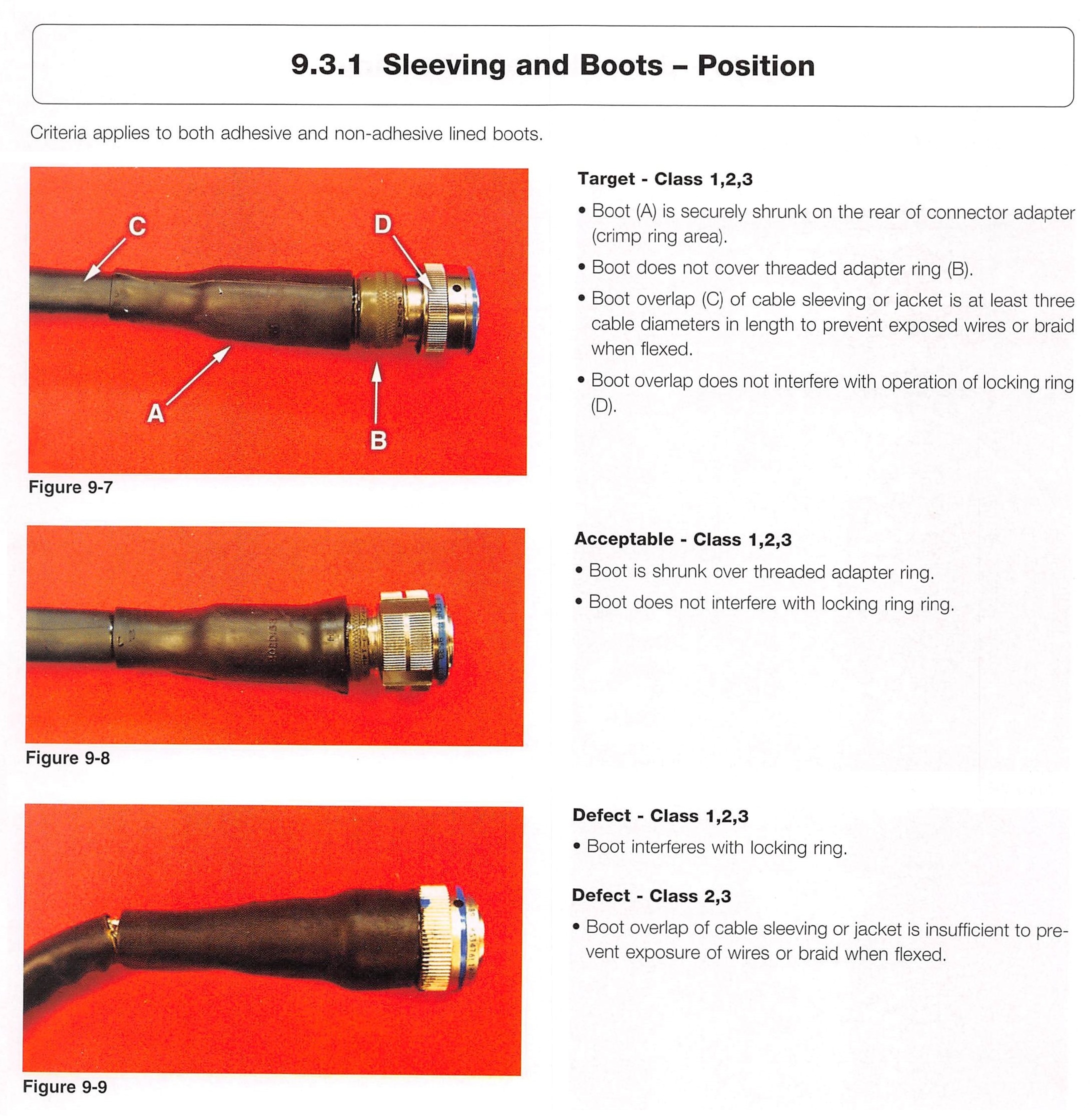
- The Pilot Handbook page 68 describes a series of preflight inspection steps. But only on page 73 does it explicitly show what is and is not acceptable. Specific target/acceptable/defect criteria (typically using images) is very common in manufacturing visual inspection documentation. Why is this manual for a high-end plane so sparse with such a common methodology. The following is an example from a workmanship standard for making cables.
- The Pilot Handbook page 85 states "Rapid engine cooling should be avoided during operation" and "...to stabilize the temperatures prior to shut down" What is the specific failure mechanism(s) being avoided here?
- The Pilot Handbook page 107 states "The Sling 4 TSi has an all-metal construction with single curvature stressed aluminium alloy skins riveted to stiffeners." How are the compound curved surfaces (such as the wheel fairings, wing tips and engine cowl) being created with the single curvature skins? Answer: the compound curve engine cowl, wing tips, tail skirt and wheel fairings are made of molded fiberglass
- The Pilot Handbook page 107 states the design has "semislotted fowler type flaps". Interested in how those are implemented.
- Are the fuel tanks bladders or the aluminum skins?